

Your audience rarely experiences your brand all at once. They might see a social post today, visit your website next week, then receive an email or pick up a printed card months later. Each moment is a small piece of the picture.
When those pieces feel connected, people can recognize your business and get a clearer sense of what it’s like to work with you. When they don’t, even good work can look less considered than it really is.
Consistency doesn’t mean making every post, page, or printed piece identical. It means giving your brand a recognizable thread that carries through each place people meet it.
Why consistency matters
Your brand is more than your logo. It includes the visual choices, language, and experience people come to associate with your business.
A consistent brand helps people:
Recognize you: Familiar colors, typography, imagery, and language help connect one touchpoint to the next.
Know what to expect: A steady message and tone make your business feel clearer and more dependable.
See your professionalism: Thoughtful, consistent materials show care, whether someone finds you online or in person.
This matters even more when people encounter your business in fragments. A potential client may scroll past a post, notice your sign, and only later read your website. Each touchpoint needs to make sense on its own while still feeling like part of the same business.
Consistency isn’t a substitute for good service. But it can make the quality of your work easier to recognize before someone has experienced it firsthand. HubSpot’s guide to brand consistency offers a useful overview of how a recognizable identity can carry across a business’s communications.
How brands drift
Most small businesses don’t set out to make their brand inconsistent. Drift happens gradually, often while you’re busy doing the work.
A new flyer needs a quick font choice. Someone makes a social post using a stock photo that feels close enough. An old logo file turns up in an email folder. Before long, the pieces no longer quite agree.
Look out for these common signs:
Too many fonts or colors. New favorites get added without a clear role in the existing system.
Off-brand photography. Images may be technically relevant but feel too bright, generic, formal, or casual for your business.
Random logo variations. Different versions are used without considering where each one works best.
A shifting tone of voice. Your website sounds polished, while social captions or emails feel like they’re coming from a different business.
Inconsistent files. Outdated logos, templates, and service descriptions keep resurfacing because the current versions are hard to find.
One difference between channels is perfectly normal. A newsletter can sound more conversational than a service page. The important thing is that the personality and message still feel connected.
A short guide can make the daily decisions easier
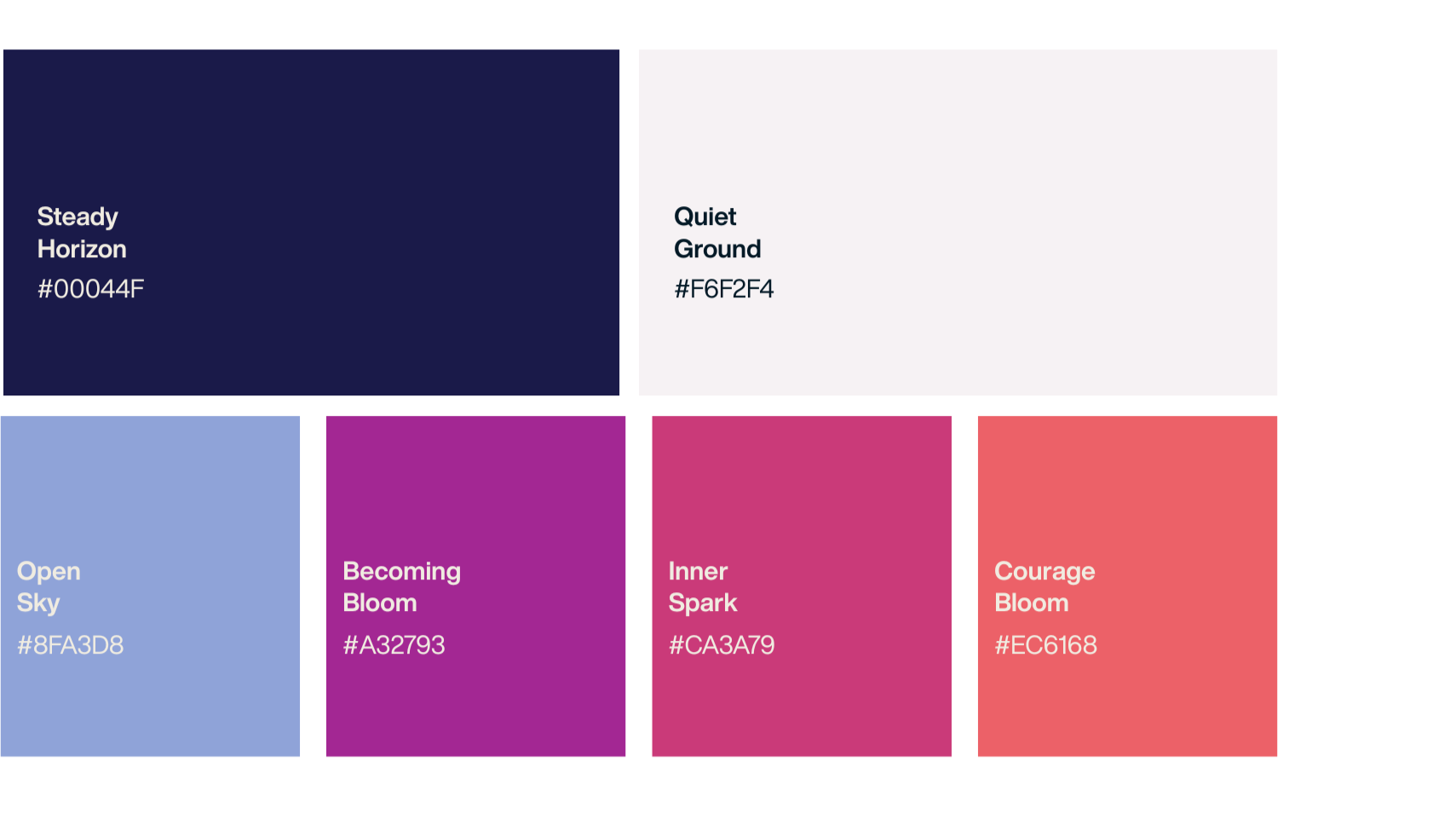
A brand guideline sheet gives you a place to check before creating or updating a touchpoint. It doesn’t need to be a long manual. A clear, useful page can save time and prevent a lot of second-guessing.
Include:
Colors: Approved colors and their codes, such as HEX for digital use and CMYK for print.
Fonts: Font names and simple rules for headings, body text, and supporting details.
Logo rules: Which files to use, when to use each version, and what to avoid.
Image style: Notes on subject, lighting, color, and mood so photos feel like they belong together.
Voice notes: A few words that describe how you sound, plus brief examples of what does and doesn’t feel right.
Think of the sheet as a working reference, not a rulebook that prevents your brand from growing. If you’re still shaping your system, our guide to building a visual identity for your small business walks through the elements that can help it feel cohesive and practical.
Five ways to bring more consistency to your brand
You don’t have to redo everything at once. Start with the things your audience sees most.
1. Audit your current touchpoints
List the places your brand shows up: website, social profiles, email signature, proposals, invoices, printed materials, signage, and any profiles or listings you regularly use.
Review them side by side. Are the logo, colors, fonts, photography, service descriptions, and contact details current? Does the tone still sound like you? Make a short list of what feels aligned and what needs attention.
This is not an invitation to find fault with every old post. It’s a way to see where a small update could make the overall picture clearer.
2. Make a one-page reference sheet
Bring the essentials together in one easy-to-find place. Keep it practical enough to use while you’re making something. If your guide is so detailed that you need a guide to use the guide, simplify it.
A few clear examples can help, too. Show an approved logo on a light and dark background, or include a sample social post with a note about its typography and image style. Visual examples often make a rule easier to follow.
3. Share it with anyone who touches the brand
If a team member, contractor, printer, or marketing partner creates materials for your business, give them the current guide and files before they begin. Include clear instructions on where approved assets live.
Make it easy for people to do the right thing. Label files clearly, keep a current folder, and archive outdated versions so nobody has to guess which logo is the latest.
4. Batch templates for repeat content
If you regularly create social posts, emails, or other recurring materials, build a small set of brand templates. Templates keep repeat decisions consistent and leave you free to focus on the content that changes.
We do this with one of our clients, a real estate agent. I create social media templates for her month after month, so new posts can reflect the moment while keeping the visual system familiar. The templates evolve with her ongoing content, so I don't have to start from a blank page every time.

Templates work best when they’re easy to use and flexible enough for real content. If social is one of your busiest brand touchpoints, see our guide to branded templates for real estate agents for an example of how a template system can support day-to-day marketing.
5. Review your brand quarterly
Set aside a little time every few months to check what’s changed. Are your services, team, contact details, or priorities different? Are old offers still appearing in posts or PDFs? Are new materials following the guide?
Choose a few high-visibility touchpoints to review, then update the guide or templates if your business has moved on. A quarterly check helps keep your brand useful without turning every small change into a full redesign.

When to get help
Sometimes the issue isn’t that you need more rules. It’s that your current materials no longer reflect your business, or the system is difficult to use across the places you need it.
Consider getting support if:
Your logo, colors, and fonts feel like they belong to different businesses.
You’re unsure which existing materials to keep or update.
Your brand looks noticeably different across web, social, and print.
You’re spending too much time recreating designs or correcting inconsistent files.
Your business has changed, but your visuals and messaging haven’t caught up.
A thoughtful visual identity design system can bring those pieces into alignment and make everyday brand decisions simpler. A small business branding agency can also help you create practical guidelines and templates that work with the way you actually run your business.
Keep the thread visible
Consistency isn’t about perfection, and it doesn’t mean freezing your brand in place. It’s about making sure that wherever someone meets your business, the experience feels connected and clear.
Start by reviewing your most visible touchpoints. Make one useful reference sheet, share the right files, and build templates for the things you create often. A few thoughtful habits can go a long way toward making your brand easier to recognize, trust, and use.
If your current brand needs a clearer system, you’re welcome to get in touch with Studio Pierson. We can talk through what’s working, what feels out of step, and what would make consistency easier to maintain.